The Grief That Doesn't Fit: Pregnancy Loss and the Life You Imagined
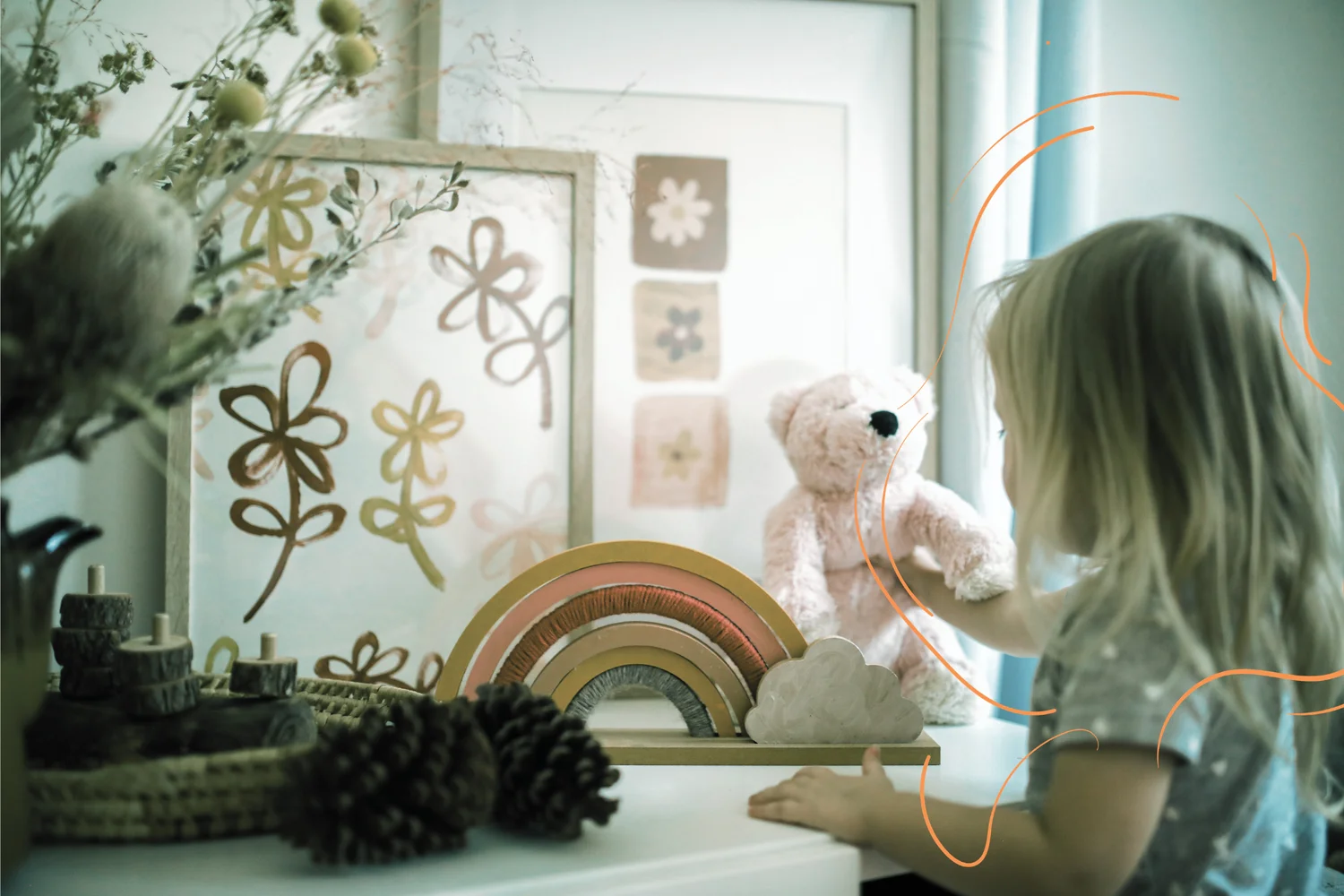
On Pregnancy and Infant Loss Remembrance Day, making space for the grief, fear, and complicated emotions that can follow a loss.
There is a particular kind of grief that comes with losing something the rest of the world never fully knew.
For many women, a pregnancy begins to take shape in their minds long before there is a visible belly, a nursery, or a baby to hold. They imagine who this child might become. They picture holidays, family dinners, the relationship between siblings, or the kind of mother they hope to be. Sometimes these thoughts are deliberate. Other times, they happen without awareness.
And when a pregnancy ends, it is not only the pregnancy itself that may be lost. It is also the life that had already begun to take shape in the mother's mind.
October 15 is Pregnancy and Infant Loss Remembrance Day. It is an opportunity to acknowledge a form of grief that is often experienced privately, misunderstood by others, and carried long after the world assumes it has passed.
The Relationship That Already Existed
From a psychological perspective, our relationships exist not only in the external world but also within our minds.
We carry images of the people we love. We imagine conversations, anticipate experiences, and develop expectations about who they are and who they might become. These internal relationships are not always entirely positive. They include disappointment, conflict, hope, and the possibility of change.
Pregnancy can introduce a particularly powerful version of this experience.
A woman may begin developing a relationship with her baby before they have met. She might imagine holding her child, wonder about their personality, or picture the family they will become. The baby may already have a place in her understanding of herself and her future.
When a pregnancy ends, that developing relationship can be interrupted.
Unlike other relationships, there may be few shared experiences or memories to return to. There may never be the opportunity to discover how the imagined child and the real child would have differed, or how the relationship might have evolved over time.
What remains can be a relationship held largely in the imagination, with no opportunity for the future that had been anticipated to unfold.
This helps explain why pregnancy loss can feel so profound.
Of course, not every woman experiences pregnancy or pregnancy loss this way. The emotional significance of a pregnancy varies, as does the experience of the loss. But for women who already begun imagining a life with their child, the grief can encompass far more than others recognize.
When the World Doesn't Know How to Respond
One of the difficulties of pregnancy loss is that the outside world often struggles to acknowledge it.
Sometimes the pregnancy was never announced. Sometimes friends or family know about the loss but don't know what to say. And sometimes people genuinely believe they are being comforting when they minimize what happened.
At least it happened early.
You can always try again.
At least you have another child.
But you're pregnant now. Everything worked out.
These comments often come from a desire to make someone feel better. The problem is that they attempt to replace or explain away something that cannot simply be replaced.
A subsequent pregnancy does not erase a previous loss. Having a living child does not mean a woman cannot grieve another. And the gestational age at which a loss occurs does not determine how deeply it may be felt.
There can also be an unspoken comparison of suffering. A woman who experiences an early miscarriage may feel she has no right to grieve because someone else experienced a stillbirth. Another woman may minimize her own experience because someone she knows lost a child after birth.
Yet grief is not a competition. One person's suffering does not invalidate another's.
There is also a difficult paradox in how others respond. Some people ask too many questions, leaving a woman feeling exposed when she would rather be private. Others avoid the subject entirely, leaving her feeling forgotten.
And sometimes neither approach feels right.
That does not necessarily mean the people around her have done something wrong. It may simply mean that, in the aftermath of a devastating experience, there are no words or responses that can make the world feel right again.
When Grief Doesn't Look Like Sadness
We often imagine grief as sadness. But pregnancy loss can bring an entire range of emotional experiences that are far more complicated.
There may be anger toward doctors, partners, family members, or friends. There may be jealousy when another woman announces her pregnancy. There may be guilt about something the mother believes she should have done differently, even when she had no control over the outcome.
There may be relief, numbness, resentment, or even moments of happiness that are quickly followed by guilt.
And often, there is fear.
Fear that another pregnancy will end the same way. Fear that the family a woman imagined will never exist. Fear that allowing herself to hope again will make another loss unbearable.
Anger can sometimes feel more accessible than the sadness or helplessness underneath it. Anger may offer a temporary sense of direction when the experience itself feels impossibly out of control.
But this does not mean anger is simply a disguise for sadness. It may also be a completely understandable response to something frightening, painful, or unjust.
There is no single emotional response that defines pregnancy loss. Nor is there a correct sequence in which these feelings must appear.
The work of grieving is not about finding the right emotion. It is about making room for the emotions that are actually there.
When Your Body No Longer Feels Safe
For some women, pregnancy loss changes their relationship with their own bodies.
A body that once felt dependable may suddenly feel unpredictable. A woman may begin questioning sensations she previously ignored, or feel that trusting her body again would be naive.
This can become particularly evident during a subsequent pregnancy.
What might once have been an exciting ultrasound can become an appointment filled with dread. Reaching a milestone may bring temporary relief, only for anxiety to return as the next appointment approaches.
Women sometimes feel frustrated with themselves for needing reassurance. They may believe that they should be more relaxed, more trusting, or simply more grateful to be pregnant again.
But after loss, reassurance can take on a different meaning.
It may be an attempt to feel safe in a situation where safety once seemed certain and then suddenly wasn't.
It is okay to speak with your doctor about needing additional reassurance or support during a subsequent pregnancy. And when fear becomes persistent or overwhelming, psychological support can help a woman understand what she is experiencing without asking her to dismiss it.
The goal is not necessarily to return to the person she was before her loss. It may be to gradually develop a new sense of trust, one that acknowledges what happened without allowing that experience to determine every moment that follows.
When a New Baby Brings Old Fears
Something I have observed in my clinical work is that the emotional impact of pregnancy loss does not always appear immediately, or in the way someone expects.
Sometimes it becomes more visible during a later pregnancy. Other times, it emerges after the birth of a child.
A mother may find herself repeatedly checking whether her baby is breathing, struggling to separate from her child, or feeling an overwhelming sense of responsibility for preventing anything bad from happening.
Of course, postpartum anxiety has many contributing factors, and not every mother who experiences pregnancy loss develops it. But for some women, understanding their history of loss can be an important part of understanding their current fears.
A mother may intellectually recognize that she did not cause her earlier loss, while emotionally carrying a painful sense that she was unable to protect her baby.
When a new baby arrives, that feeling of helplessness may become activated again.
The fear is not necessarily just about what is happening in the present. It may also be connected to what happened before.
And there can be another layer of complexity: guilt about feeling anxious when there is finally a healthy baby to celebrate.
But joy and fear are not mutually exclusive. A mother can be deeply grateful for the child in her arms and still mourn the child she lost.
One experience does not cancel the other.
Making Space for a Loss That Remains Part of Your Story
There is no single right way to carry a pregnancy loss forward.
Some women want to speak openly about their experience. Others prefer to keep it private. Some find comfort in naming or commemorating their baby, while others do not feel drawn to those rituals.
A loss can remain meaningful without needing to be discussed publicly. And acknowledging its importance does not mean allowing it to define every aspect of one's identity.
If you are navigating pregnancy loss, or trying to understand how a previous loss continues to affect you, there are a few things worth remembering.
You can allow more than one feeling to exist. You do not have to choose between grief and gratitude, hope and fear, or love and anger. Conflicting emotions do not mean you are grieving incorrectly.
You can tell people what kind of support feels helpful. Maybe you want someone to ask about your experience. Maybe you would rather they simply sit beside you. Maybe your needs change from one day to the next. You are allowed to communicate those changes without having to explain or defend them.
You can seek support even if your loss happened a long time ago. Sometimes the emotional impact of a loss becomes clearer during another pregnancy, after childbirth, or during a significant family milestone. Therapy can provide a place to explore these feelings and understand how they may be connected to your experiences.
And perhaps most importantly, you do not need to measure your grief against anyone else's.
On Pregnancy and Infant Loss Remembrance Day, we acknowledge not only the pregnancies and babies that were lost, but also the relationships, hopes, and imagined futures that accompanied them.
For some women, healing means finding a way to remember. For others, it means gradually feeling less afraid of what comes next. For many, it means learning that grief can remain part of their story while joy continues to grow around it.
Whatever that looks like for you, there is room for it.
Remember always — you are strong as a mother.